
-
View Larger Image
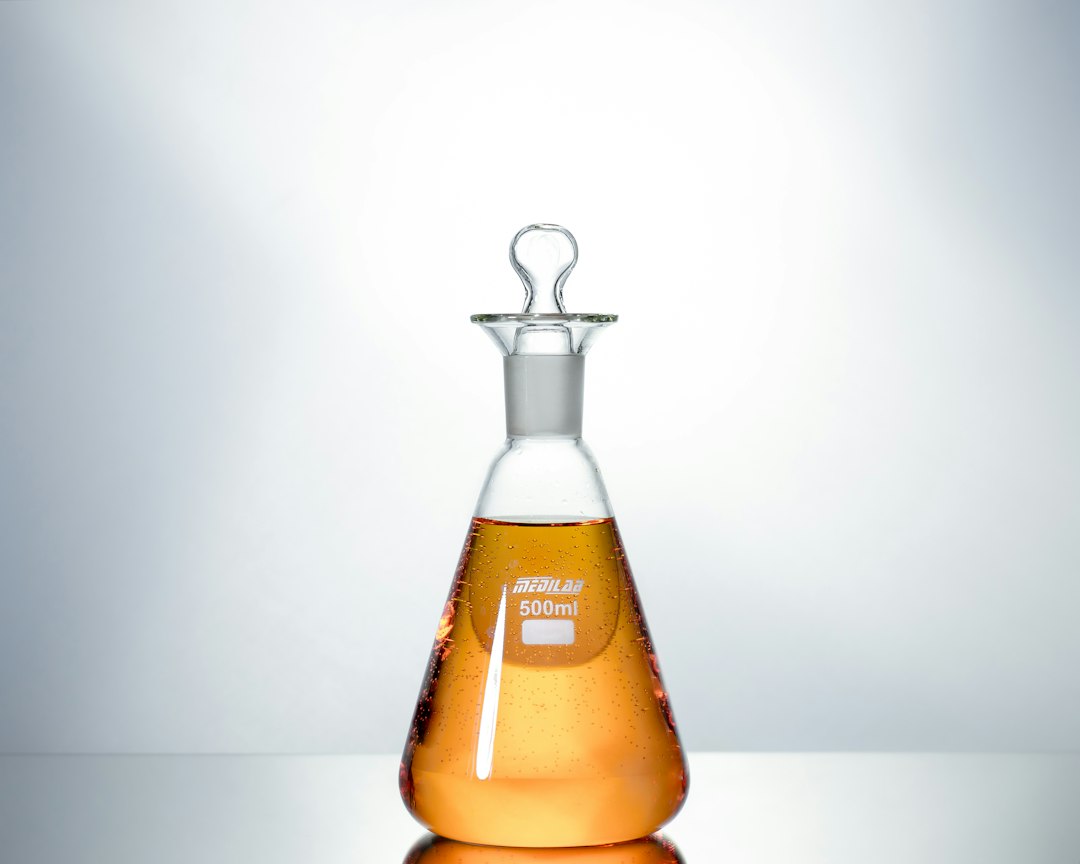
What Does pH-Balanced Shampoo Actually Mean?
Direct answer: “pH-balanced” shampoo generally means the finished formula has been adjusted to a mildly acidic or near-neutral range that the manufacturer considers appropriate for hair and scalp use. The phrase does not identify one universal number, does not tell you how the product was tested, and does not prove that the shampoo treats hair loss, repairs damage, or suits every scalp.
pH can influence hair-fiber swelling, cuticle behavior, friction, and the performance of some ingredients. It is one useful formulation detail, but it should be judged alongside cleansing strength, conditioning agents, fragrance, allergens, use directions, hair condition, water exposure, and individual tolerance.
What pH measures
pH is a measure of hydrogen-ion activity in a water-based system. The familiar scale runs from 0 to 14, with 7 described as neutral, lower values acidic, and higher values alkaline. Each whole-number step is logarithmic, so a formula at pH 5 is not simply a little more acidic than one at pH 6.
A shampoo’s pH is measured in the finished product under defined test conditions. A pH number cannot be assigned reliably from one ingredient in the list. Water content, buffers, surfactants, acids, bases, salts, botanical extracts, and manufacturing conditions all influence the final formula. Home pH strips can give a rough reading in some liquids, but color, viscosity, surfactants, dilution, and strip range can make consumer measurements misleading.
Why hair researchers pay attention to shampoo pH
Hair is a keratin fiber with an outer cuticle. Water and chemical conditions can change how the fiber swells and how cuticle surfaces interact. A 2014 review of 123 shampoos discussed evidence that more alkaline products may increase negative electrical charge on the hair surface, friction between fibers, frizz, and cuticle damage risk. The authors also found that professional salon shampoos in their sample were more often acidic than mass-market products. Read the PubMed record or the full review.
That review is often summarized too broadly. It did not show that every lower-pH shampoo prevents damage or that a single pH value is ideal for every formula and every person. Product performance depends on the complete system, including surfactants, polymers, conditioning agents, concentration, contact time, rinsing, and the condition of the hair before washing.
A 2024 laboratory study exposed hair to solutions at different pH values and reported pH-related structural and proteomic changes. It adds mechanistic evidence that extreme conditions can alter the fiber, but laboratory exposure is not identical to normal shampooing with a formulated product that is diluted, used briefly, and rinsed. See the study abstract.
Is there one correct pH for shampoo?
No single pH number defines a good shampoo. A finished product must be stable, preserve safely, cleanse as intended, rinse well, and remain compatible with its packaging and other ingredients. A lower number is not automatically better. Very acidic products can also irritate skin, interact with services, or perform poorly if the formula is not designed for that range.
The useful question is not “Is the pH as low as possible?” It is “Was the complete product formulated and tested for its intended use, and does it work for this person’s hair and scalp without causing problems?”
What “pH-balanced” does and does not tell you
The phrase may signal that the manufacturer adjusted and monitors pH during formulation. It does not, by itself, disclose:
- the exact pH or acceptable manufacturing range;
- the test method, temperature, dilution, or instrument calibration;
- whether the formula was tested on color-treated, bleached, relaxed, curly, coily, gray, or damaged hair;
- how strongly the surfactant system cleans;
- whether fragrance or another ingredient may irritate a particular user;
- whether the product preserves color or reduces breakage in real-world use;
- whether it treats dandruff, dermatitis, psoriasis, infection, or hair loss.
In the United States, cosmetic labels must identify the product and list ingredients under applicable rules, but the FDA does not preapprove ordinary cosmetic products or their labeling before sale, except for color additives. The agency explains the distinction on its Cosmetics Labeling Guide and hair-cleansing product page. “pH-balanced” should therefore be read as a formulation claim that needs context, not as an FDA certification of performance.
Can pH-balanced shampoo repair damaged hair?
Shampoo can improve manageability and reduce avoidable friction when its cleansing and conditioning system fits the hair. Some ingredients deposit temporarily, smooth the surface, or improve combing. That is not the same as restoring a weathered fiber to its original biological state.
Hair outside the scalp is not living tissue. Bleaching, permanent color, relaxers, heat, ultraviolet exposure, grooming, and ordinary wear can remove cuticle material and weaken the fiber. A well-formulated shampoo may help reduce additional stress, but “pH-balanced” alone does not prove repair. Look for evidence tied to the complete product and the outcome being claimed, such as wet-combing force, breakage under defined conditions, or color retention.
Does shampoo pH affect hair growth?
There is no good basis for treating a shampoo’s pH label as proof of increased follicle growth. Hair-fiber surface behavior and follicle biology are different questions. A shampoo can make hair look smoother, reduce tangling, or reduce breakage without increasing the number of growing follicles.
Claims to prevent or treat disease, alter the structure or function of the body, or regrow hair can place a product in the drug category and require a different regulatory basis. Consumers should not infer a regrowth effect from the cosmetic phrase “pH-balanced.” Persistent thinning, sudden shedding, patchy loss, pain, or scarring needs appropriate clinical evaluation.
What about the scalp’s “acid mantle”?
Skin has a mildly acidic surface environment influenced by sweat, sebum, microbes, cleansing, and other factors. Marketing often turns this into a precise universal target. In practice, scalp condition varies with age, environment, disease, products, and washing frequency. A short-contact rinse-off shampoo does not permanently set the scalp to the number printed in an advertisement.
A formula can be within a common mildly acidic range and still cause irritation because of fragrance, preservatives, surfactants, botanicals, or individual allergy. Conversely, a tolerated product should not be rejected solely because the label omits a pH claim.
n
For the label distinction that often matters to fragrance-sensitive readers, see Fragrance-Free vs. Unscented Hair Products: What the Labels Actually Mean.
How hair type and service history change the decision
Curly and coily hair
Curly and coily fibers can be more vulnerable to tangling and mechanical breakage because bends change how fibers contact one another and because natural oils may distribute less evenly along the length. A shampoo that cleans without leaving the hair difficult to detangle may matter more than a marketing phrase. Evaluate slip, residue, cleansing frequency, styling products, and the needs of the scalp as well as pH.
Bleached, highlighted, and permanently colored hair
Lightening and oxidative color can increase porosity and change surface behavior. Mildly acidic formulas are often chosen to support manageability, but a label does not guarantee color protection. Water temperature, wash frequency, ultraviolet exposure, heat styling, and the entire conditioner system also affect color appearance and fiber wear.
Relaxed, permed, and chemically textured hair
Chemical services intentionally use controlled reactions that alter the fiber. Aftercare should follow the service manufacturer’s instructions and the professional’s assessment. Do not use a strongly acidic home mixture to “neutralize” a service. Neutralization is a specific, controlled step, not a general invitation to chase a pH number.
Fine, oily, or product-loaded hair
A very conditioning formula may leave some fine hair limp even if its pH is appropriate. Heavy buildup may require effective cleansing. Product choice should balance scalp comfort, residue removal, fiber handling, and styling goals.
Gray and aging hair
Gray hair can vary widely in diameter, porosity, curl, and weathering. There is no single pH requirement for all aging hair. Choose by observed condition and response, not age alone.
How to evaluate a pH-balanced shampoo claim
- Find the intended use. Is it an everyday cleanser, clarifying shampoo, color-care product, medicated drug product, or post-service formula?
- Read the complete label. Note directions, warnings, active-drug labeling when present, fragrance, and ingredients relevant to known allergies.
- Look for an actual range. A manufacturer may provide a finished-product pH range in technical information. A range is more realistic than an overly precise number.
- Ask how the claim was tested. Evidence on the complete formula is more useful than a general statement about acidic products.
- Match cleansing to need. Scalp oil, sweat, styling buildup, hard-water deposits, and wash frequency influence the required cleansing strength.
- Judge the result after several appropriate uses. Watch cleansing, itch, redness, residue, tangling, combing, breakage, and style performance.
- Stop for adverse signs. Burning, swelling, hives, sores, persistent scale, or increased tenderness deserves discontinuation and, when significant or persistent, medical advice.
Should you test shampoo pH at home?
Home testing can satisfy curiosity, but it rarely answers whether a shampoo is safe or effective. Test strips may be hard to read in colored or opaque products, and diluting a shampoo changes the measured system. A calibrated pH meter also requires appropriate electrodes, calibration buffers, temperature control, cleaning, and a defined method.
Do not add vinegar, citric acid, baking soda, or another chemical to adjust a commercial shampoo. Changing pH can destabilize preservatives, thickeners, surfactants, fragrance, and packaging compatibility. It can also create an irritating product with no validated shelf life.
Professional guidance for salon consultations
Professionals can translate the claim into observable service questions:
- What chemical and heat services are present on the hair?
- How often is the scalp washed, and what buildup is present?
- Does the client report itch, burning, sores, or persistent flaking?
- How does the hair behave when wet, detangled, dried, and styled?
- Are there known allergies or previous reactions?
- Does the product manufacturer provide technical data for the exact formula?
Document the client’s response rather than promising that a number will fix damage. For a chemical service, use the service system and aftercare specified by the manufacturer. A salon professional can observe cosmetic condition and refer concerns, but should not diagnose scalp disease.
Special caution with wigs, toppers, and hair systems
A shampoo used on replacement hair must be compatible with the fiber, color process, knots, base, coatings, adhesives, and attachment plan. A product that works well on natural hair may loosen knots, swell a base, leave residue, or shorten adhesive wear. “pH-balanced” does not establish compatibility.
Follow the unit manufacturer and trained provider’s care instructions. Keep unsupported acids, alkaline cleaners, essential oils, and solvents away from bases and attachment areas. If a product causes tangling, color release, coating change, base distortion, or unusual shedding, stop and assess the unit before repeating use.
Frequently asked questions
Is baby shampoo always pH-balanced and gentler?
No. “Baby” describes intended marketing and use, not one fixed pH or cleansing system. Eye comfort, scalp cleansing, fragrance, and hair conditioning are separate formulation goals.
Is a pH of 5.5 ideal for every shampoo?
No. That number is common in marketing, but the ideal range depends on the complete formula, intended use, stability, preservation, and user. An exact number without a test method is incomplete information.
Can an alkaline shampoo open the cuticle?
Alkaline conditions can increase fiber swelling and change cuticle interaction, especially with stronger or prolonged exposure. Normal shampoo performance still depends on concentration, contact time, formulation, and hair condition. The phrase “opens the cuticle” can oversimplify a graded physical response.
Does conditioner correct shampoo pH?
Conditioners are often mildly acidic and may improve surface feel and combing, but they do not erase every effect of an unsuitable cleanser or chemical service. Choose shampoo and conditioner as a compatible routine.
Should an itchy scalp switch to a lower-pH shampoo?
Not automatically. Itch can come from irritation, allergy, dandruff, psoriasis, infection, product residue, dryness, or other causes. Stop a suspected product and seek evaluation when symptoms are marked, persistent, painful, or associated with sores or hair loss.
The practical bottom line
pH-balanced shampoo is a reasonable formulation concept, not a quality seal. Mildly acidic products may support lower friction and better cuticle behavior, particularly for weathered or chemically treated fibers, but the complete formula and the user’s response matter more than the phrase alone. Read the label, respect service-specific instructions, avoid home chemistry, and separate cosmetic manageability from medical treatment or regrowth claims.
Related Hair Society resources
Learn more in the Hair Care Products archive, browse practical Tips & Tricks, and use the Hair Society salon directory when you need individualized professional guidance.
Share This Story, Choose Your Platform!
Related Posts
Can Scalp Massage Increase Hair Growth? What the Evidence Actually Shows
Gallery
Can Scalp Massage Increase Hair Growth? What the Evidence Actually Shows
Can Static Electricity Damage Hair or Mainly Change Manageability?
Gallery
Can Static Electricity Damage Hair or Mainly Change Manageability?

Does Swimming Pool Chlorine Damage Hair? What It Changes and How to Reduce Exposure
Gallery
Does Swimming Pool Chlorine Damage Hair? What It Changes and How to Reduce Exposure
Can Menopause Change Hair Texture as Well as Density?
Gallery
Can Menopause Change Hair Texture as Well as Density?